Article: The Interplay of Jewelry and Power
The Interplay of Jewelry and Power

The Interplay of Jewelry and Power
Jewelry has long been associated with power, not just in terms of its monetary value but also its cultural, symbolic, and personal significance. Across history and cultures, jewelry has played a pivotal role in signifying power, status, and influence. Here's a closer look at how jewelry has been tied to power:
Symbol of Wealth and Status
In many societies, jewelry has been a visible marker of wealth and social standing. Royalty, aristocrats, and elites have often worn extravagant jewelry to signify their status. Crowns, tiaras, and large gemstones became symbols of power and authority. For example, the British Crown Jewels are not just valuable but carry historical and political significance.
Cultural and Political Power
Jewelry often represents political power, with rulers and leaders using it as a tool for control and influence. In ancient Egypt, pharaohs wore elaborate jewelry, including large gold necklaces and rings, as symbols of their divine right to rule. Similarly, emperors and kings across Europe used jewels to assert their power both at home and on the world stage. More recently, former US Secretary of State Madeleine Albright used to wear a brooch for each diplomatic meeting, setting the tone and conveying her intentions.
Symbols of Protection and Spiritual Power
Jewelry can also symbolize protection or spiritual strength. Amulets, talismans, and religious symbols embedded in jewelry were believed to ward off evil, protect from harm, or bring good fortune. For example, the Evil Eye in Mediterranean cultures or the use of diamonds in ancient India to represent strength and invincibility.
Empowerment and Personal Strength
In modern times, jewelry can serve as a personal statement of empowerment. Women, in particular, use jewelry to express their identity, success, and independence. Wearing pieces that reflect one's style or achievements can be a subtle yet powerful act of claiming space and confidence.
Political Statements
Jewelry has also been used as a form of political expression. For example, during the suffragette movement, women wore jewelry like brooches and pins with the colors of the movement to show solidarity and their fight for voting rights. Jewelry has been a means for individuals and groups to use their influence and visibility to communicate messages of power, equality, and resistance.
Emotional Power
Jewelry can also carry emotional power, especially when passed down through generations. Family heirlooms, engagement rings, and wedding bands often carry deep sentimental value, creating bonds between generations. These pieces not only represent personal relationships but also serve as enduring symbols of love, commitment, and connection.
Luxury as Power
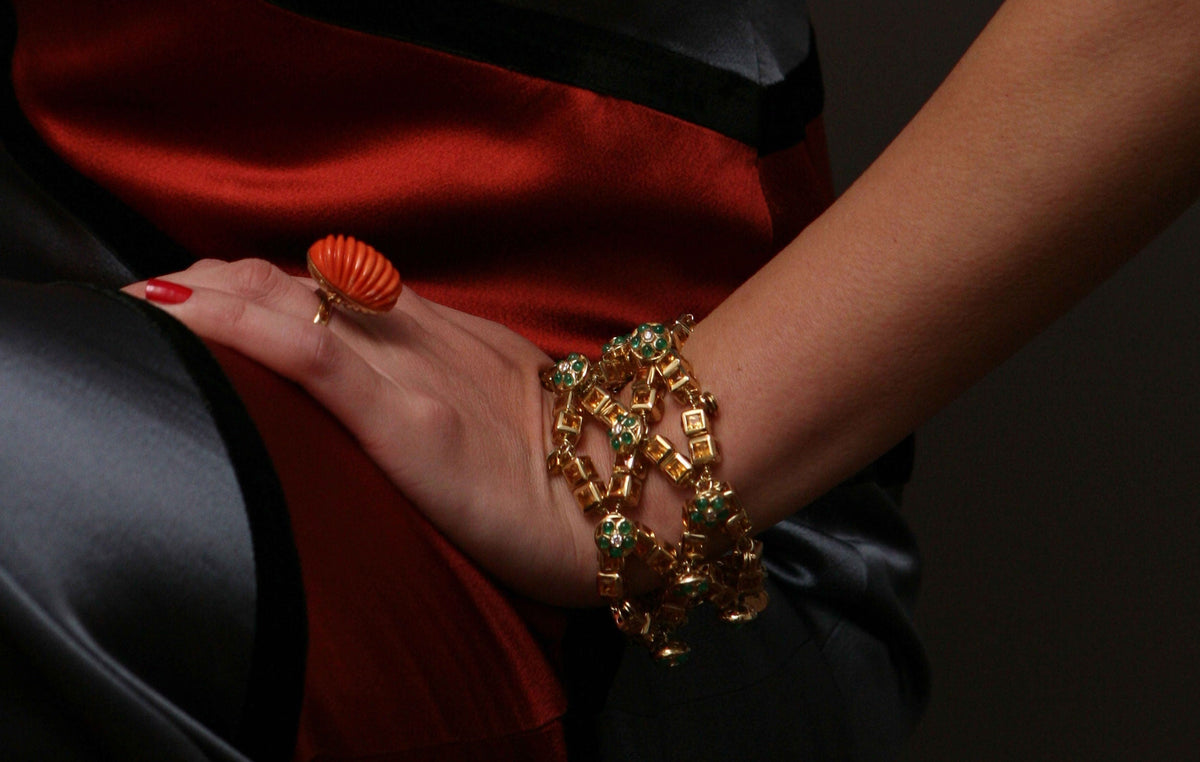
In today's world, owning high-end jewelry is still seen as a sign of luxury and power. Jewelry brands like Cartier, Tiffany & Co., and Bulgari are not just about adornment; they also represent a certain level of social and economic power. Owning such pieces can signify success, taste, and access to an elite lifestyle.
The Power of a Bespoke Piece
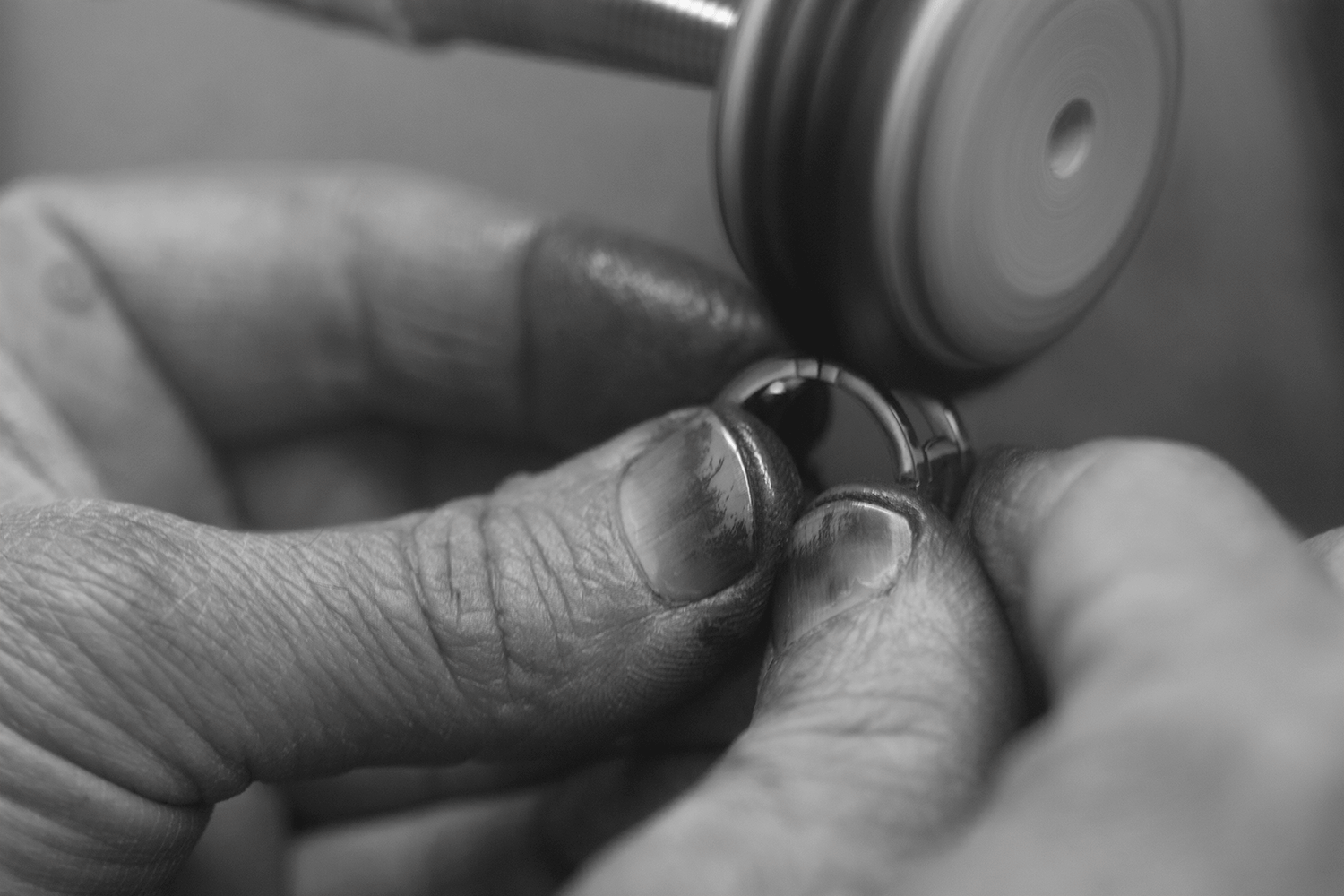
Perhaps the most personal expression of power lies in wearing a jewel created especially for you. A bespoke piece can embody an identity, preserve a memory, celebrate a milestone, or transform inherited gemstones into a new and deeply meaningful creation. Through our Bespoke Jewelry Service, each jewel becomes more than an adornment: it becomes a personal symbol, designed to carry your story and your strength.
Conclusion
In summary, jewelry's connection to power extends far beyond its surface appeal. It reflects wealth, status, protection, personal empowerment, political movements, and emotional connections. Whether as a cultural symbol, an accessory of personal expression, or a sign of luxury, jewelry holds power in many different forms, resonating with individuals and societies in profound ways.